Body Contouring Farmington Hills: What Makes a Great Treatment Candidate
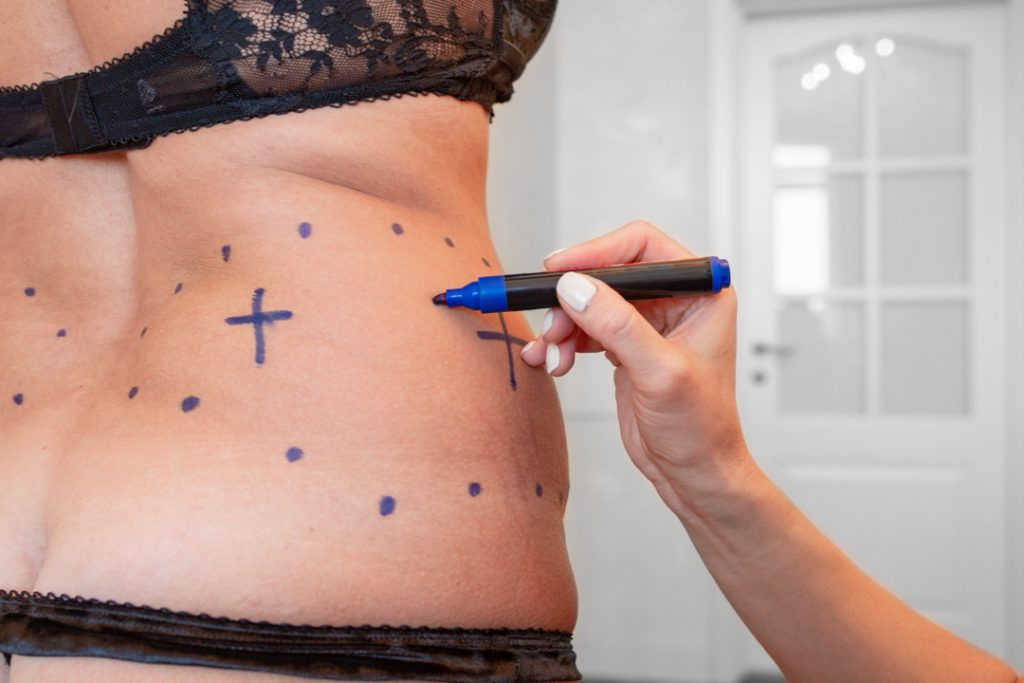
Body contouring draws interest for a simple reason: many people do the hard work, improve their eating habits, stay active, and still find that certain areas do not respond the way they hoped. The scale moves, clothes fit better, and overall health improves, yet the lower abdomen, flanks, inner thighs, upper arms, or under-chin area can seem stubbornly unchanged. That is usually the point when people begin exploring body contouring in Farmington Hills.
The right question is not whether body contouring works in a broad, generic sense. The more useful question is whether it fits a specific person, a specific body, and a specific goal. In practice, the best candidates are not always the thinnest patients, the youngest patients, or the people chasing the most dramatic transformation. Great candidates tend to share something more important: realistic expectations, stable health, and a clear understanding of what these treatments can and cannot accomplish.
That distinction matters. Body contouring can refine shape, reduce pockets of unwanted fat, and in some cases improve skin firmness or muscle definition, depending on the technology used. It is not a replacement for weight loss, and it does not erase every sign of aging or completely change anatomy. People who understand that usually end up happier with their results and more comfortable with the treatment process.
What body contouring really means
“Body contouring” is a broad term. In most med spa and aesthetic clinic settings, it refers to non-surgical or minimally invasive treatments designed to improve silhouette and target localized concerns. That may include fat reduction, skin tightening, muscle stimulation, or a combination approach.
The details vary. Some treatments use controlled cooling to damage fat cells. Others rely on radiofrequency, ultrasound, laser energy, or electrical muscle stimulation. Each approach has its own strengths, limitations, comfort level, and ideal patient profile. Someone with mild skin laxity after weight loss may need a different plan than a patient whose main frustration is fullness around the love handles. A person recovering from pregnancy may be focused on abdominal contour and tissue tone, while a patient in their late fifties may care more about texture, crepey skin, or loss of firmness along the arms and above the knees.
That is why consultations matter so much. Good providers do not just ask what area bothers you. They assess tissue quality, pinchable fat, skin elasticity, muscle tone, prior surgeries, current weight trends, and the timeline you have in mind. Those details often determine whether a patient is likely to see a meaningful improvement or feel underwhelmed.
The strongest candidates usually have one thing in common
The best treatment candidates are usually close to their personal baseline weight, not in the middle of a major weight-loss effort. This point gets overlooked all the time.
If someone is still actively losing twenty, thirty, or fifty pounds, body contouring may be premature. Their shape is still changing. The treatment plan that makes sense now might not be the treatment plan they need six months from now. In addition, if weight continues to rise after treatment, results can become less noticeable over time. Stable weight gives the provider a much more predictable canvas.
In Farmington Hills, many patients exploring body contouring are balancing work, family, and inconsistent sleep. That means some arrive feeling frustrated, especially if they have been “doing everything right” and still cannot smooth out a small lower-abdominal bulge or reduce fullness at the bra line. Often, these are exactly the people who do well. They are not expecting a treatment to overhaul their body. They want refinement where lifestyle changes have already taken them most of the way.
A good candidate has localized concerns, not generalized weight issues
This is one of the clearest separators between a strong candidate and a poor one. Body contouring tends to work best when the concern is localized and measurable. The patient can usually point to the issue without much hesitation. Maybe it is the lower belly that hangs slightly over the waistband. Maybe it is outer-thigh fullness that affects how pants fit. Maybe it is fullness under the chin that remains despite overall weight loss.
When fat distribution is diffuse, or when the patient is hoping for a major drop in clothing size, treatment satisfaction tends to be lower. Non-surgical contouring can improve shape, but it is not meant to treat obesity or produce the kind of rapid change people associate with surgery. A skilled provider will say that directly, even if it means recommending a delay or advising against treatment.
There is real value in that honesty. A patient who needs a broader weight-management strategy first should hear that before spending money on a service that may not address the real concern. The best aesthetic practices are selective for a reason. Turning away the wrong candidate protects outcomes and trust.
Skin quality matters more than many people realize
Patients often focus on fat, but skin quality frequently determines how polished the final result looks. If the skin has strong elasticity, reducing a small amount of fat can create a noticeably smoother contour. If the skin is significantly lax, thinning the area without addressing looseness may not deliver the result the patient imagined.
That does not mean patients with loose skin are poor candidates across the board. It means the plan has to fit the tissue. A patient with mild postpartum laxity may do very well with a treatment that supports tightening while also addressing residual fullness. A patient with more body contouring services advanced looseness after major weight loss may need to hear that non-surgical treatment can offer improvement, but not the degree of change surgery might provide.
This is one of those judgment calls that separates cookie-cutter treatment plans from thoughtful ones. Two people can have the same complaint, “I hate my stomach,” and need entirely different solutions. One has a firm abdominal wall and a discrete lower-belly pocket. The other has stretched skin, muscle separation, and variable tissue texture. Treating them the same would be a mistake.
Health history can make or break candidacy
A great candidate is generally healthy enough to tolerate treatment and heal normally. That sounds obvious, but health screening is not a formality. It is central to safe and effective care.
Providers usually review current medications, previous procedures, scar history, implanted devices, recent illnesses, pregnancy status, and chronic conditions such as diabetes or autoimmune disease. For certain technologies, metal implants, pacemakers, hernias, active skin conditions, or impaired sensation in the treatment area may affect eligibility. Even something as common as a recent sunburn or skin irritation can delay treatment.
Lifestyle habits matter too. Smoking, large weight fluctuations, and inconsistent aftercare can blunt results. So can poor hydration, high stress, and limited sleep, especially for treatments that depend on the body’s natural metabolic and lymphatic processes to clear treated fat cells over time. No one needs perfect habits to be a candidate, but body contouring tends to reward patients who can support their results with a reasonably stable routine.
The emotional profile of a good candidate
This piece is harder to measure but incredibly important. The strongest candidates are not usually fixated on perfection. They are bothered by something specific, but they remain grounded. They want improvement, not an entirely different body.
That mindset protects satisfaction. A patient who says, “If I could smooth this area by even twenty percent, I would feel better in fitted clothes,” is often easier to help than someone who brings heavily edited photos, compares themselves to people with very different anatomy, or expects one session to erase years of tissue change.
Aesthetic medicine works best when patients see it as collaborative, not magical. Great candidates ask smart questions. They want to know how many sessions are typical, how long changes may take, what discomfort to expect, and what maintenance might look like. They listen when told that visible improvement may unfold gradually over several weeks or months, depending on the treatment.
That patience matters. Many non-surgical options are not instant-gratification procedures. The body often needs time to respond, remodel tissue, or eliminate disrupted fat cells. Someone who expects same-day transformation may not be emotionally suited for the process, even if they meet every technical requirement.
Common signs that someone is likely to do well
A consultation should never be reduced to a checklist alone, but a few patterns show up again and again in successful body contouring cases.
- They are near a stable, maintainable weight.
- They have a localized area of concern rather than a whole-body weight goal.
- Their skin elasticity is mild to moderately reduced, not severely lax.
- They understand that results are improvements, not perfection.
- They are willing to follow pre- and post-treatment instructions.
Those points may sound basic, but they are predictive. Patients who meet most of them usually have smoother consults, more realistic expectations, and better long-term satisfaction.
When someone may not be an ideal candidate, at least not yet
A “not yet” does not mean “never.” Many patients simply need better timing, a different treatment, or a more complete plan.
The most common mismatch is someone seeking body contouring while actively trying to lose a significant amount of weight. Another is the patient with substantial loose skin who really needs a surgical consultation if they want a dramatic change. There are also patients whose concerns are better explained by bloating, posture, muscle separation, or anatomy rather than a removable pocket of fat.
Abdominal contouring is a classic example. A person may believe they have stubborn belly fat when the more visible issue is diastasis recti after pregnancy, a small hernia, or generalized abdominal distention related to digestion. Treating the surface without identifying the underlying factor leads to disappointment. Experienced providers know to pause and look closer.
There is also the matter of body dysmorphic tendencies or highly unrealistic appearance expectations. Ethical practices take this seriously. If someone appears unable to see improvement, no amount of technical success will create satisfaction. In those cases, declining treatment is not a failure of service. It is responsible care.
Age is part of the conversation, but not the deciding factor
Patients often ask whether they are too young or too old for body contouring. In practice, age by itself tells you very little. Tissue quality, medical history, and goals matter more.
A healthy patient in their sixties with stable weight and a defined area of concern may be a far better candidate than a patient in their late twenties whose weight fluctuates constantly and whose expectations are unrealistic. At the same time, older patients may need more nuanced counseling about skin elasticity and the degree of tightening non-surgical treatments can achieve.
It helps to think less in terms of age and more in terms of tissue behavior. How well does the skin rebound? Is the concern mostly fat, mostly laxity, or both? Has the patient experienced childbirth, menopause, major weight loss, or prior surgeries that changed the area? Those factors shape the treatment plan far more than a birthday ever will.
Why postpartum patients often ask about Body Contouring Farmington Hills
Pregnancy changes the body in ways that do not always reverse on their own. Even patients who return to their pre-pregnancy weight can notice lower-abdominal fullness, changes in skin texture, reduced tone, and shifts in fat distribution around the waist and hips. That is one reason Body Contouring Farmington Hills is a common search term among postpartum women.
The best postpartum candidates are typically finished with the early recovery period, no longer experiencing major hormonal body shifts, and at a relatively stable weight. If they are breastfeeding, treatment choice may require additional caution or delay depending on the modality and the provider’s protocol.
This group tends to do particularly well when their goals are specific. For example, a mother of two who says, “I’m not trying to look twenty-two again, but I’d love to feel more comfortable in work clothes,” often approaches treatment in a healthy, realistic way. The results can be meaningful, especially when paired with patience and a maintenance-oriented mindset.
Men are increasingly strong candidates, especially for the midsection and flanks
Body contouring is not just a women’s category, and that has become more obvious over the last several years. Men often seek treatment for the abdomen, love handles, chest contour, and under-chin area. Their candidacy hinges on the same fundamentals: localized concerns, stable weight, and realistic goals.
One difference is expectation style. Many male patients prefer subtle change. They want their clothes to fit better and their silhouette to look leaner, but they do not want an obvious “done” appearance. In that sense, non-surgical body contouring can be a very good fit. It often improves shape in a way that feels gradual and natural.
The consultation still needs precision. Denser tissue, different fat distribution, and varying muscle patterns can influence applicator fit, comfort, and visible outcome. Providers who routinely treat both men and women tend to recognize these nuances quickly.
How a consultation in Farmington Hills should feel
A strong consultation is not a sales pitch. It should feel like an evaluation. The provider should ask detailed questions, examine the treatment area, explain whether your goals are realistic, and tell you plainly if another route makes more sense.
That includes discussing trade-offs. Some treatments offer no downtime but require patience. Others may create more immediate swelling or soreness while building toward a stronger result. Some are best for small fat pockets, while others shine when skin tightening is the primary goal. There is no universally “best” treatment. There is only the best match for the anatomy in front of the provider.
A good consult also covers photography, treatment spacing, expected timelines, and pricing structure. If multiple sessions are likely, that should be clear from the start. If maintenance is commonly needed, that should be part of the conversation as well. Patients do best when there are no hidden assumptions.
Questions worth asking before you commit
If you are considering Body Contouring Farmington Hills, a few practical questions can tell you a lot about whether the recommendation is thoughtful.
- What exactly is being treated here: fat, skin laxity, muscle tone, or some combination?
- How many sessions do patients like me usually need before they see a meaningful change?
- What result is realistic for my body type, not an idealized before-and-after photo?
- What signs would suggest I am better suited for another treatment, including surgery?
- How should I maintain the result once treatment is complete?
These questions move the conversation beyond marketing language. They make it easier to understand whether the plan is personalized or generic.
Results are often won in the months after treatment
One of the least glamorous truths in aesthetics is that aftercare and maintenance matter. A lot. Great candidates do not treat body contouring like a one-time reset button. They see it as a tool that works best when supported by stable habits.
That does not mean living on grilled chicken and never missing a workout. It means avoiding the extremes that cause rapid body changes. Major weight gain after treatment can obscure results. Repeated cycles of loss and regain can affect skin quality over time. Patients who maintain a relatively steady routine usually preserve their outcome much better.
Hydration, movement, and adherence to provider instructions also help, especially with treatments that produce gradual changes rather than instant visible reduction. Some patients notice contour shifts in stages. First, they feel less bulk in an area. Then clothing fits differently. Only later do they appreciate the visual difference in the mirror. That progression is normal, and patients who expect it tend to stay more satisfied.
The best candidates are not chasing someone else’s body
This may be the most important point of all. Great body contouring candidates are trying to look like a better version of themselves, not a replica of someone else. They understand their frame, their history, and their starting point. They do not need perfection to feel the treatment was worthwhile.
That perspective leaves room for nuanced wins. A waistband sits flatter. A dress skims rather than clings. A suit jacket closes more comfortably. The under-chin profile looks sharper in photos. Arms feel less self-conscious in sleeveless tops. These are not trivial outcomes. They are the kinds of results that actually change how patients move through daily life.
If you are exploring Body Contouring Farmington Hills, the smartest place to start is not with the flashiest advertisement or the most dramatic promise. Start with an honest assessment of your goals, your weight stability, your skin quality, and your willingness to be patient. The right candidate does not need to be perfect. They need to be well matched to the treatment, well informed about the process, and clear about what success would look like on their own body.
When those pieces line up, body contouring can be a very effective, very satisfying option. Not because it turns someone into a different person, but because it addresses a specific frustration with precision, realism, and good judgment.