Can Liposuction Michigan Help After Weight Loss?
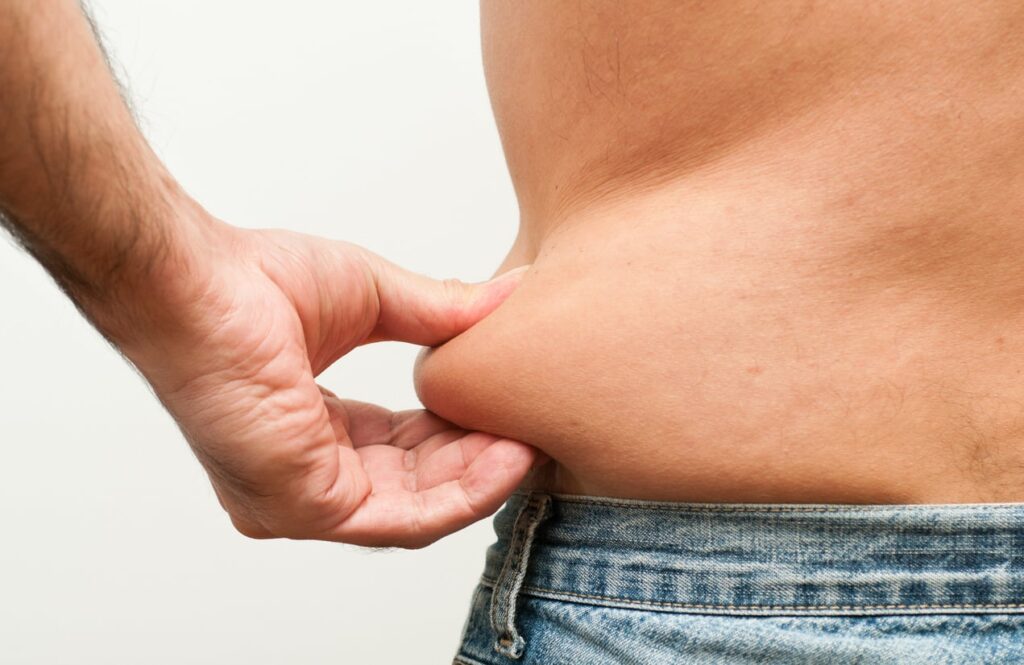

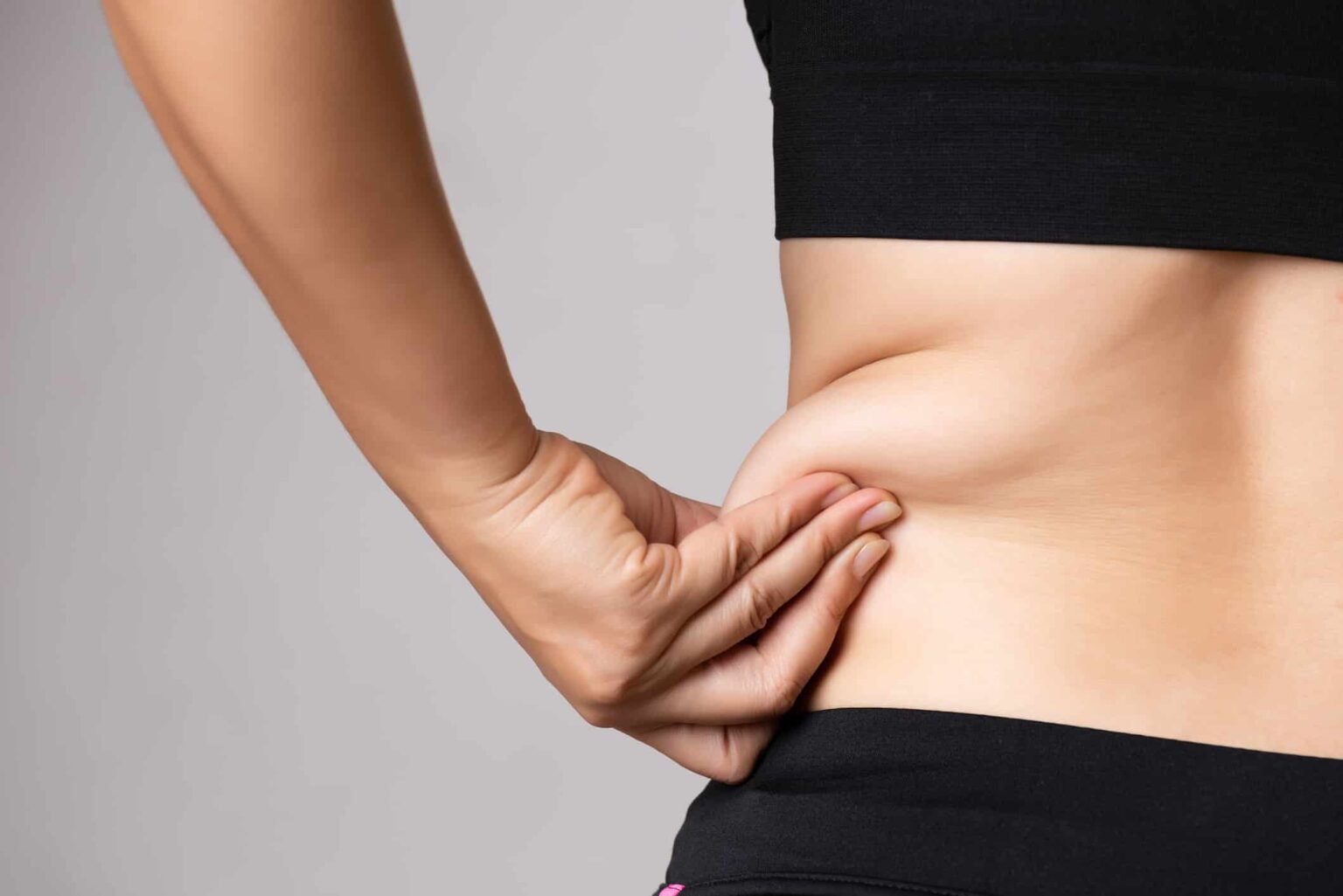
Losing a significant amount of weight changes more than the number on a scale. It changes how clothes fit, how your joints feel, how you sleep, and often how you see yourself. It can also leave behind pockets of fat and areas of loose, uneven contour that do not seem to respond, even after months of disciplined eating and regular exercise. That is often the moment people start asking a more specific question, not whether they can lose weight, but whether they can refine the result they worked so hard to achieve.
For some patients, liposuction can play a useful role after weight loss. For others, it is only part of the answer, and sometimes it is not the right answer at all. The difference comes down to anatomy, skin quality, expectations, and timing.
If you are exploring Liposuction Michigan options after weight loss, it helps to understand exactly what liposuction can do, where it falls short, and how surgeons evaluate whether someone is a good candidate.
The real issue after weight loss is often contour, not pounds
One of the most common misconceptions in body contouring is that liposuction is another form of weight loss treatment. It is not. Liposuction is designed to remove localized fat deposits and improve shape. The amount of actual weight removed is usually modest. In many cases, the visual improvement matters far more than the number of pounds involved.
That distinction becomes especially important after major weight loss. A person may be 30, 50, or even 100 pounds lighter and still feel frustrated by fullness in the lower abdomen, flanks, upper arms, thighs, or under the chin. Those areas may stand out more now, not less, because the rest of the body has Liposuction Michigan changed.
I have seen this pattern repeatedly in post-weight-loss body contouring. A patient may say, “I am healthier than I have been in years, but I still do not look the way I expected.” Often, they are not describing obesity. They are describing disproportion. Their midsection may still bulge over pants. Their bra line may hold stubborn fullness. Their thighs may rub despite a dramatic overall transformation.
That is where liposuction can help. It can smooth and refine areas of residual fat that remain resistant after weight has stabilized. In the right patient, that refinement can make the entire result look more complete.
What liposuction can improve after weight loss
Liposuction works best when there is a discrete pocket of fat and the skin has enough elasticity to contract afterward. Common treatment areas after weight loss include the abdomen, waist, back, hips, thighs, upper arms, and neck. The goal is not to chase perfection. The goal is to improve proportion.
A good example is the flank area, often called the love handles. Some patients lose substantial weight and still feel square through the waist. Even when their BMI drops into a healthy range, the side waist may hold onto fullness due to genetics and fat distribution patterns. Liposuction can narrow that area and create more visible definition between the ribcage and hips.
The same is true for the upper abdomen. Some people have a persistent thick pad of fat above the navel even after meaningful weight loss. If the skin quality is still good, reducing that pocket can make the torso appear flatter and more athletic.
The neck is another area that deserves mention. A person may lose 40 pounds but still feel their jawline looks soft in photographs. Carefully planned liposuction under the chin can sharpen the profile in a way that often feels disproportionate to the small amount of fat removed.
These are not trivial cosmetic tweaks. For many patients, they are the final stage of a long process. They have spent a year or more changing habits, tolerating plateaus, and rebuilding confidence. Refining stubborn areas can help their outward shape match the effort they already invested.
Where liposuction does not solve the problem
This is the part that requires honesty. After significant weight loss, the biggest issue is often loose skin, not fat. Liposuction cannot tighten moderate michellehardawaymd.com Liposuction Michigan to severe excess skin. In fact, if too much fat is removed from an area where the skin has poor elasticity, the looseness may become more obvious.
That matters most in the lower abdomen, upper arms, inner thighs, and chest. Someone may pinch an inch or two and assume it is all fat. In reality, what they are feeling may be a mix of thin residual fat and stretched skin. If the skin does not snap back well, liposuction alone may leave the area flatter but still sagging.
The abdomen is the classic example. A patient may look in the mirror and see a lower belly pouch after losing 70 pounds. Sometimes that pouch contains enough fat for liposuction to help. More often, it also includes stretched skin and possibly separated abdominal muscles. In that setting, a tummy tuck may do far more than liposuction alone because it removes excess skin and can tighten the abdominal wall.
The upper arms tell a similar story. Patients often ask for liposuction because they dislike arm fullness in fitted sleeves. But if the problem is mostly hanging skin, liposuction alone may not create the cleaner line they want. An arm lift may be the more effective procedure, or a combination approach may be needed.
This is one reason consultations matter so much. A surgeon is not just identifying fat. They are judging skin recoil, tissue thickness, scar tolerance, and what type of trade-off the patient is willing to accept. Some people prefer a smaller scar and a partial improvement. Others would rather accept a scar to get a more dramatic change.
The best candidates tend to share a few traits
There is no single perfect profile, but strong candidates for post-weight-loss liposuction usually have reached a fairly stable weight, maintain realistic expectations, and have enough skin elasticity for contouring to look smooth afterward.
A stable weight matters more than many people realize. If someone is still actively losing 10 or 15 pounds, it often makes sense to wait. Body shape can continue to shift, and operating too early can lead to a result that looks incomplete a few months later. Most surgeons prefer to see weight stability for several months, and often longer after very large weight loss.
Expectations are just as important. Liposuction can improve shape, but it does not create the body of a fitness model, erase cellulite, or stop natural aging. Patients who do best are usually those who understand that the procedure is a contouring tool, not a reset button.
Skin quality is the third major factor. Age can influence it, but age alone does not decide the outcome. I have seen patients in their forties with excellent skin recoil and younger patients with far less elasticity after major weight fluctuations. Pregnancy history, genetics, sun exposure, smoking, and the amount of weight lost all contribute.
Why timing matters after major weight loss
Patients are often eager to move quickly once they near their goal. That enthusiasm makes sense. After months or years of effort, they want to finish the process. But rushing into surgery too soon can create frustration.
After weight loss, the body needs time to settle. Skin can continue to retract gradually, especially during the first several months after a person reaches a stable weight. Nutritional status also matters. People who have undergone bariatric surgery, in particular, may deal with low iron, protein deficits, or vitamin imbalances that need attention before elective surgery.
A thoughtful timeline protects the result and the recovery. In practical terms, many surgeons look for the following before scheduling contouring surgery:
- Weight has remained relatively stable for at least several months.
- The patient is close to a sustainable goal, not a crash-diet low point.
- Nutrition, hydration, and general health are in good shape.
- Smoking or nicotine use has stopped, ideally well in advance.
- The patient understands whether skin removal may be needed in addition to liposuction.
Those checkpoints reduce the chance of disappointment and lower the odds of avoidable complications.
What a consultation should cover
If you are researching Liposuction Michigan providers, the consultation should feel specific, not generic. The surgeon should examine you standing up, assess each area in context, and explain not only what can be done, but what should not be done.
A useful consult usually includes a frank conversation about skin quality, asymmetry, scar options, recovery, and whether combining procedures makes sense. For example, someone with lower abdominal looseness and flank fullness may be better served by a tummy tuck with flank liposuction than by liposuction alone. Another patient with a relatively tight abdomen but persistent waist fullness may do very well with liposuction only.
Photography often helps during that discussion. Many patients have a mental image shaped by filtered photos or dramatic before-and-after galleries that do not fully match their anatomy. A surgeon with good judgment will bring the conversation back to achievable changes. Better waist definition, smoother outer thighs, less fullness at the bra line, these are realistic goals. Perfection is not.
Ask how often the surgeon treats post-weight-loss patients. That group presents different challenges than someone seeking a small amount of contouring with no history of major weight change. Tissue quality, fluid shifts, healing demands, and the need for combination procedures are different enough that experience matters.
Recovery is usually manageable, but it is not nothing
Liposuction recovery tends to be easier than many skin-removal surgeries, but it still requires planning. Patients usually deal with swelling, soreness, tightness, and bruising. The treated area can feel strangely numb and tender at the same time. That sensation often surprises first-time patients more than actual pain.
Most people return to light activity fairly quickly, sometimes within days, depending on the extent of treatment and the physical demands of their job. More vigorous exercise typically takes longer. Swelling can linger for weeks, and subtle refinement can continue for months. A patient may look better in fitted clothing within a relatively short period, yet still notice daily fluctuations in firmness and contour as healing progresses.
Compression garments are commonly part of the process. They help manage swelling and support the tissues as they settle. Patients who prepare for this do better emotionally than those expecting an instant reveal. The final shape emerges gradually.
It is also worth noting that post-weight-loss tissue does not always behave exactly like tissue in someone who never had a large weight change. Swelling may be more persistent in some areas. Small contour irregularities may be more visible in thinner patients. This does not mean the surgery failed. It means healing can be nuanced.
Liposuction alone versus combining it with skin tightening surgery
This is often the key decision point after weight loss. Liposuction may be enough for one area and clearly inadequate for another. Combination surgery is common because post-weight-loss bodies rarely present a single, isolated issue.
A person might need liposuction to reduce fullness at the flanks and back, but also benefit from a tummy tuck to address lower abdominal skin. Someone else may want arm contouring and discover that the better operation is an arm lift with limited liposuction rather than aggressive fat removal.
The trade-off is straightforward. Liposuction avoids the longer scars that come with excisional procedures, but it cannot remove extra skin. Skin-removal procedures can create a much more dramatic reshaping effect, but scars are part of the bargain. There is no way around that reality.
The best surgical plans usually come from restraint and prioritization. Not every area needs treatment at once. Not every concern requires the biggest operation available. A measured approach often yields the most natural result.
What results tend to look like in real life
Patients often picture a dramatic overnight transformation, but real results tend to be more subtle and more satisfying than that. Pants fit better through the waist. The lower back looks smoother in knit dresses. The profile of the neck looks cleaner on video calls and in family photos. The body starts to look more proportional.
Those changes can be especially meaningful after weight loss because they reduce the visual reminders of old problem areas. A patient who used to avoid tucked-in shirts may suddenly wear them comfortably. Someone who never liked side-view photos may stop deleting them. These are small daily shifts, but they matter.
That said, even excellent results rarely produce absolute symmetry or flawless skin texture. Human bodies are not built that way. One hip may remain slightly fuller than the other. Cellulite may still be present. The skin may drape differently sitting down than standing up. Patients who appreciate these realities before surgery are usually the happiest afterward.
Risks deserve plain language
Every surgical procedure has risks, and liposuction is no exception. Swelling, bruising, contour irregularities, fluid accumulation, temporary numbness, and asymmetry are all possible. More serious complications are less common but still part of informed consent.
The post-weight-loss population adds another layer because tissue quality can be less predictable. If the skin is thin or lax, even technically sound fat removal can leave visible unevenness. This is why conservative planning is often wise. Taking a little less fat and preserving smoothness usually produces a better long-term result than chasing maximum reduction.
Patients should also think about downtime honestly. If you have young children, a physically demanding job, or a household that depends on you for lifting and constant movement, the logistical side of recovery matters just as much as the surgical side. A good surgeon will discuss that with the same seriousness as incision placement or compression wear.
How to decide whether it is worth it
The question is not simply, “Can liposuction help?” It is, “Will it meaningfully improve the concern that still bothers you after weight loss?” Sometimes the answer is clearly yes. A stubborn pocket at the waist or under the chin can respond beautifully. Sometimes the answer is yes, but only when liposuction is paired with skin removal. And sometimes the answer is no, because the expected improvement would be too small to justify surgery.
That judgment takes self-awareness as much as medical evaluation. If your frustration centers on shape and residual fullness, liposuction may be worth exploring. If your frustration centers on hanging skin, wrinkling, or muscle laxity, another procedure may be more appropriate. Many disappointed patients are not people who had surgery done poorly. They are people who had the wrong operation for the problem.
A useful way to frame it is this: imagine your area of concern flatter by 20 to 40 percent, with the same skin quality you have now, perhaps slightly tighter if your elasticity is good. Would that change matter to you? For some patients, absolutely. For others, only skin excision would move the needle enough.
Choosing a surgeon in Michigan
If you are looking into Liposuction Michigan practices after weight loss, pay attention to more than marketing photos. Look for a surgeon who speaks clearly about candidacy, does not promise impossible skin tightening, and has experience with body contouring after both lifestyle weight loss and bariatric weight loss.
You should leave the consultation understanding three things: what is causing the contour issue, what procedure best addresses it, and what compromises come with that choice. If those answers feel vague, keep looking.
A strong surgeon will also talk about staging when appropriate. It is not unusual to address one region first, let it heal, and then decide whether additional contouring is worthwhile. That kind of patience often signals better judgment than an aggressive all-at-once sales pitch.
The bottom line for post-weight-loss patients
Liposuction can absolutely help after weight loss, but only when the problem is truly excess fat or uneven contour, not primarily loose skin. In the right setting, it can sharpen the waist, smooth the flanks, refine the thighs, improve arm contour, and create a cleaner neckline. It can take a body that is healthier and lighter and make it look more balanced.
It is not a substitute for weight loss, and it is not a cure for skin laxity. For many people, the best answer after major weight change is a combination of procedures or a careful decision to treat only the areas most likely to benefit.
The patients who tend to feel best about their results are the ones who treat surgery as a finishing tool, not a magic fix. They arrive at a stable weight, choose a surgeon who tells the truth, and measure success by improved proportion and fit, not fantasy. When those pieces line up, liposuction can be a very worthwhile final step.
Aesthetic Plastic Surgery & Laser Center, Michelle Hardaway M.D.
27920 Orchard Lake Rd, Farmington Hills, MI 48334, United States
+1 248-221-1957
FAQ About Liposuction Michigan
Is 55 too old for liposuction?
Age 55 alone does not determine suitability. A surgeon evaluates overall health, skin quality, healing risks, and realistic goals. A personal consultation is needed to assess candidacy and discuss alternatives.
What happens 10 years after liposuction?
Contour improvements can last, especially with stable weight. Aging, pregnancy, and weight changes can alter the appearance over time. Results vary, and liposuction does not prevent future body changes.
Can lipo get rid of an apron belly?
Liposuction reduces localized fat but does not remove hanging excess skin. An apron belly may require assessment for a skin-removal procedure instead of, or alongside, fat removal. A qualified plastic surgeon can explain appropriate options and their risks.