How Safe Is Liposuction in Michigan?
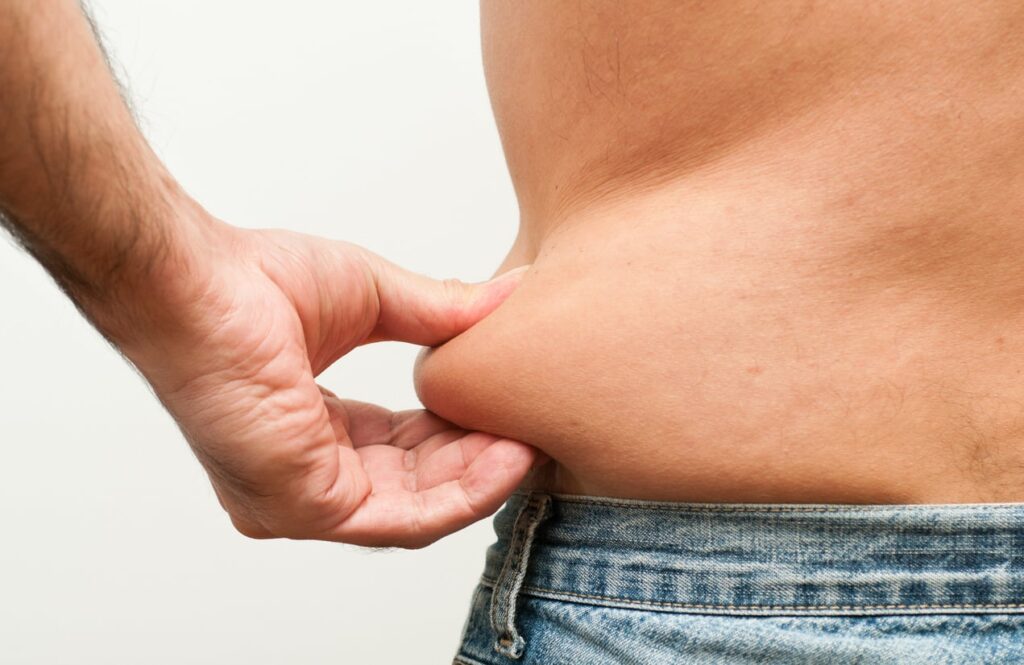

Liposuction can be very safe in Michigan when it is performed on the right patient, by a qualified surgeon, in a properly accredited facility. That is the short answer. The longer answer matters more, because safety in cosmetic surgery is never determined by geography alone. It is shaped by training, judgment, anesthesia planning, medical screening, surgical setting, and how seriously a practice treats aftercare.
People often search for Liposuction Michigan because they want a local answer to a very personal question. They may be comparing metro Detroit practices, looking at options in Grand Rapids, Ann Arbor, or the suburbs, and wondering whether the procedure itself is riskier than it sounds. Some are motivated by body contour concerns after pregnancy or weight loss. Others have spent years exercising a few stubborn areas that simply do not respond. The desire is understandable. What deserves equal attention is the process behind a safe outcome.
Liposuction is not a casual spa treatment. It is surgery. It involves fluid shifts, anesthesia decisions, tissue trauma, swelling, bruising, and a recovery period that can be straightforward or complicated depending on how carefully the case is handled. The good news is that modern liposuction, in experienced hands, has a strong safety profile for healthy, well-screened patients. The caveat is that not every patient is an ideal candidate, and not every office advertising body contouring offers the same standard of care.
What “safe” really means with liposuction
When surgeons talk about safety, they are not only talking about whether a patient wakes up and goes home the same day. They are looking at a broader picture. A safe liposuction case avoids preventable problems before surgery, controls risk during surgery, and catches concerns early during recovery.
That includes accurate medical screening, careful limits on how much fat is removed, sterile technique, thoughtful anesthesia management, and realistic expectations about what liposuction can and cannot do. It also includes honest decision-making. An experienced surgeon will sometimes tell a patient not to proceed yet, or not to proceed at all. That may mean recommending weight stabilization first, asking for medical clearance, or steering someone toward a tummy tuck, skin tightening procedure, or even no surgery if the expected benefit is too small.
The most common issues after liposuction are not dramatic emergencies. They are contour irregularities, prolonged swelling, firmness, temporary numbness, asymmetry, and dissatisfaction with shape. Those matter. They may not make headlines, but they affect the real-world quality of the result. More serious complications, while less common, can include infection, bleeding, blood clots, fluid imbalance, skin injury, anesthesia-related problems, and fat embolism. The goal of a reputable surgeon is not to minimize these risks in conversation, but to reduce them in practice.
Michigan does not make liposuction safe or unsafe, standards do
There is nothing inherently unsafe about getting liposuction in Michigan. In fact, many patients prefer local surgery because it simplifies preoperative visits, postoperative checks, and access to the surgical team if concerns arise. Being close to your surgeon matters more than people realize. If you have a fever, worsening pain, Liposuction Michigan unusual swelling, or a drain issue after surgery, the ability to be seen promptly is worth a great deal.
What matters most is whether the procedure is being done under accepted medical standards. A patient looking into Liposuction Michigan should pay close attention to the credentials of the surgeon and the setting where the operation takes place. A board-certified plastic surgeon, operating in an accredited facility with trained anesthesia support and established emergency protocols, offers a very different risk profile from a bargain operation marketed aggressively online with vague credentials and little transparency.
This is one area where price can distort judgment. Liposuction is often advertised in a way that makes it sound interchangeable from one provider to another. It is not. Two patients may both be told they are having “lipo of the abdomen and flanks,” yet the surgical planning, fluid management, contouring skill, and safety margin can be worlds apart.
The surgeon matters more than the machine
Patients are often drawn to the latest branded technology, whether it is power-assisted liposuction, ultrasound-assisted liposuction, laser-assisted liposuction, or another device-backed variation. These tools can be useful. They can also become a distraction.
A thoughtful surgeon uses technology as an instrument, not as a substitute for judgment. The critical questions are basic and old-fashioned. How often does this surgeon perform liposuction? On what kinds of patients? What is their complication rate? How do they decide whether a case belongs in an office-based suite versus a hospital? How do they handle a patient with a prior abdominal surgery, a history of clotting risk, or significant skin laxity?
In practice, a conservative surgeon often produces safer and more satisfying outcomes than a flashy one. Taking out too much fat, treating too many areas at once, or promising dramatic change in a marginal candidate can turn a straightforward procedure into a difficult recovery. Experienced plastic surgeons know that body contouring is as much about restraint as removal.
Who tends to be a good candidate
The safest candidates for liposuction are generally adults near a stable weight who have localized fat deposits and reasonably good skin elasticity. They do not need to be athletes or have a perfect body mass index, but they do need to be healthy enough for elective surgery and realistic about what the procedure can achieve.
Liposuction is not a treatment for obesity, and it is not an all-purpose fix for loose skin. If someone has a hanging abdominal pannus after major weight loss, for example, liposuction alone may actually make the area look worse by deflating tissue without addressing excess skin. On the other hand, a patient with a relatively firm lower abdomen and persistent flank fullness may do very well with liposuction and enjoy an uncomplicated recovery.
Smoking, nicotine use, uncontrolled diabetes, heart disease, clotting history, untreated sleep apnea, and certain medications can all change the safety conversation. So can recent weight fluctuations. One of the more common disappointments in cosmetic surgery comes from operating too early, before a patient has reached a stable baseline. It is not only a result issue. It is often a safety and planning issue too.
The preoperative workup tells you a lot about the practice
A well-run consultation does not feel rushed. The surgeon or team should ask about medical history, prior surgeries, allergies, medications, supplements, nicotine use, and any history of anesthesia problems. They should discuss whether you will need lab work or medical clearance, particularly if you are older, have chronic conditions, or are combining procedures.
This stage reveals a great deal about how seriously a practice approaches safety. If a consultation skips over health history and focuses almost entirely on financing, that is not a great sign. If every patient somehow seems to qualify for multiple areas of liposuction plus add-on procedures in one session, caution is warranted.
A careful preoperative plan often covers compression garments, activity restrictions, expected drainage, how much swelling to expect, when to stop certain supplements, and who will stay with you after surgery. Those details may seem ordinary, but they are often the difference between a smooth recovery and a stressful one.
Facility accreditation is not a minor detail
One of the most reassuring signs in cosmetic surgery is that a procedure is being done in an accredited surgical facility or a hospital setting appropriate for the case. Accreditation standards vary, but the core idea is simple: the environment should meet established benchmarks for equipment, medications, sterility, staffing, and emergency preparedness.
Patients sometimes underestimate how important this is because liposuction is usually outpatient surgery. Outpatient does not mean informal. A safe outpatient center is organized, monitored, and prepared. There should be protocols for patient monitoring, infection control, medication handling, and transfer to a hospital if needed.
In everyday practice, the most trouble tends to arise when cosmetic procedures drift into spaces that look polished but are not built around surgical rigor. A beautiful waiting room tells you very little. The recovery area, staff training, monitoring standards, and emergency planning tell you much more.
Anesthesia decisions shape safety
Liposuction may be done under local anesthesia, IV sedation, general anesthesia, or a combination strategy depending on the amount of fat being removed, the number of areas treated, patient comfort, and whether other procedures are being added. There is no one-size-fits-all answer. The safest anesthesia plan is the one matched carefully to the specific case.
Small, limited-area liposuction may be appropriate under local anesthesia with or without light sedation. Larger treatments, or cases involving multiple zones, often call for deeper anesthesia support. What matters is that the plan is made transparently, with appropriate monitoring and qualified personnel.
Patients sometimes assume that avoiding general anesthesia automatically makes surgery safer. That is too simplistic. Light sedation in a poorly selected patient can be risky. General anesthesia in a well-controlled setting may be entirely appropriate. Safety depends on the full picture, not the label.
A practical point for Michigan patients is travel and weather. Winter surgeries are common and generally fine, but if you live far from the practice and your operation is scheduled during snow season, logistics deserve thought. Long drives immediately after surgery are uncomfortable. Bad roads can delay follow-up. If there is any chance of difficult travel, some patients do better arranging a hotel stay near the surgical center for the first night, especially if they are having multiple areas treated.
How much liposuction is too much?
This is where experience shows. There is no single magic number that defines safe versus unsafe for every person, because body size, treatment areas, fluid management, and the surgical setting all matter. Still, the principle is clear: larger-volume liposuction carries more risk than smaller-volume liposuction, and combining aggressive liposuction with multiple additional procedures raises complexity.
Prudent surgeons respect limits. They consider blood loss, total aspirate volume, operating time, and how the patient is tolerating the procedure. They may stage treatment rather than trying to do everything in one day. Patients occasionally resist this because they want one recovery instead of Liposuction Michigan two. Understandable, but not always wise.
The safer surgeon is often the one who says, “We can improve this significantly, but I do not want to push beyond what is reasonable.” That answer may feel less exciting in the consultation room. It often ages very well.
Recovery is part of the safety profile
Most liposuction recoveries are manageable, but they are not effortless. Expect soreness, swelling, bruising, drainage from incision sites, and tightness. Some people are up and walking around the house the same day, which is actually encouraged. Early gentle movement helps reduce clot risk. Full “back to normal” energy may take longer than many patients expect.
Compression garments are commonly recommended, though the exact timing and duration vary by surgeon and treatment area. Swelling can persist for weeks and sometimes months. That does not usually signal a problem. Sudden one-sided leg swelling, chest pain, shortness of breath, high fever, rapidly worsening redness, or severe pain out of proportion to expectations are different. Those deserve immediate attention.
The quality of postoperative communication matters. A strong practice gives patients clear instructions, reachable staff, and scheduled follow-up rather than vague reassurance and a generic handout. In my experience, this is one of the easiest ways to distinguish practices that have done many liposuction cases from practices that mainly market them.
Questions worth asking before you book
- Are you certified by the American Board of Plastic Surgery, and how often do you perform liposuction?
- Where will my procedure be done, and is that facility accredited?
- What type of anesthesia do you recommend for my case, and who will monitor me?
- How much fat do you expect to remove, and what result is realistic for my body?
- What happens after hours if I develop a concern during recovery?
These are not confrontational questions. A good surgeon should answer them easily and without defensiveness. If the answers are vague, rushed, or overly sales-oriented, pay attention.
What can raise the risk in otherwise routine cases
Some risk factors are obvious, such as untreated medical problems or smoking. Others are more subtle. Combining liposuction with a tummy tuck, breast surgery, or a Brazilian butt lift can increase operative time and recovery demands. Revision liposuction may be more technically difficult because scar tissue changes how the tissue planes behave. Patients with poor skin elasticity may get a safe surgery but still end up disappointed because the skin does not contract the way they hoped.
There is also the issue of expectation pressure. A patient who insists on an extremely dramatic result despite modest anatomy or limited skin quality may push the consultation in an unhealthy direction. Ethical surgeons do not let patient enthusiasm override surgical judgment.
Age by itself is not a deal-breaker. I have seen healthy patients in their 50s and 60s recover beautifully after carefully planned procedures. I have also seen younger patients struggle because they minimized their nicotine use, skipped medical details, or treated elective surgery like a casual errand. Safety comes from physiology and honesty, not birth year alone.
Warning signs that should make you pause
- Deep discounts that seem tied to same-day booking pressure
- Unclear credentials or inability to confirm board certification and facility accreditation
- Promises of massive fat removal with minimal downtime and no real trade-offs
- A consultation that barely covers medical history, medications, or recovery planning
- Before-and-after galleries that look heavily filtered, inconsistent, or too good to be true
Patients do not need to become experts in operative medicine, but they should trust their instincts. If a consultation feels slippery, it probably is.
Liposuction safety and body areas, not all zones are equal
Some areas are more straightforward than others. Flanks, abdomen, outer thighs, and submental fullness under the chin are commonly treated. Each area has different considerations. Chin liposuction, for instance, often involves much smaller volumes and a different recovery profile than circumferential trunk liposuction. Abdomen and flank work can produce excellent contour changes, but the surgeon has to balance fat removal with symmetry and skin behavior.
Arms and inner thighs can be trickier in patients with laxity. Taking out fat from an area with loose skin may leave a less smooth result unless the patient accepts that some looseness will remain or pairs treatment with another procedure. That is not unsafe in itself, but it is a form of bad planning if no one explains it beforehand.
Why local follow-up can be an advantage in Michigan
For a Michigan patient, staying local is often an underappreciated safety benefit. Cosmetic tourism may tempt some people with lower advertised prices, but it comes with real trade-offs. Early follow-up is harder. If swelling looks asymmetric or an incision opens, the operating surgeon may be several states away. Weather delays, airports, and hotel recoveries are not ideal conditions for troubleshooting postoperative concerns.
A local surgeon can see how you heal over time. Liposuction results evolve. Swelling settles, firmness softens, and contour refinements become visible gradually. That process is easier to manage when the operating team is nearby and familiar with your case.
So, how safe is Liposuction Michigan?
For a healthy patient who chooses a board-certified plastic surgeon, undergoes proper screening, has surgery in an accredited facility, and follows postoperative instructions, liposuction in Michigan is generally considered a safe elective procedure. That statement is reassuring, but it should not make the decision feel trivial. The same operation can be low-risk in one setting and unnecessarily risky in another.
If you are evaluating Liposuction Michigan options, focus less on catchy branding and more on the fundamentals. Ask who is operating, where the surgery will happen, how they screen patients, how conservative their planning is, and what support exists after the procedure. Safety in cosmetic surgery is rarely about luck. It is usually the visible result of invisible discipline.
That is what you want to buy, even more than the contour change itself.
Aesthetic Plastic Surgery & Laser Center, Michelle Hardaway M.D.
27920 Orchard Lake Rd, Farmington Hills, MI 48334, United States
+1 248-221-1957
FAQ About Liposuction Michigan
Is 55 too old for liposuction?
Age 55 alone does not determine suitability. A surgeon evaluates overall health, skin quality, healing risks, and realistic goals. A personal consultation is needed to assess candidacy and discuss alternatives.
What happens 10 years after liposuction?
Contour improvements can last, especially with stable weight. Aging, pregnancy, and weight changes can alter the appearance over time. Results vary, and liposuction does not prevent future body changes.
Can lipo get rid of an apron belly?
Liposuction reduces localized fat but does not remove hanging excess skin. An apron belly may require assessment for a skin-removal procedure instead of, or alongside, fat removal. A qualified plastic surgeon can explain appropriate options and their risks.