How to Prepare for Body Contouring Farmington Hills Appointments
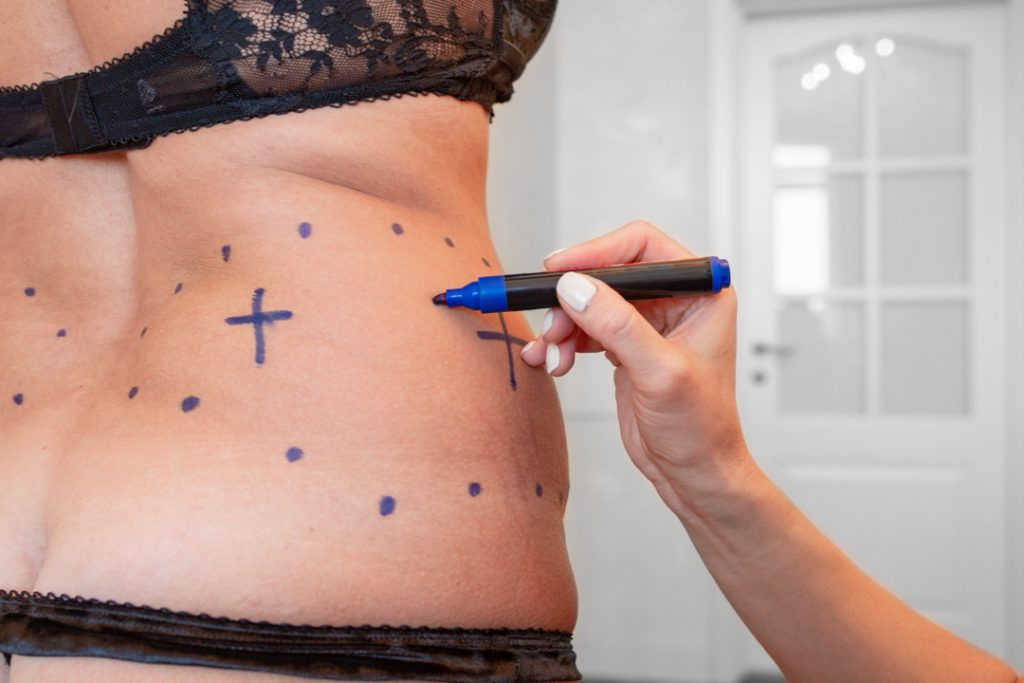

Body contouring appointments go better when patients show up informed, realistic, and ready to talk plainly about what they want. That sounds simple, but in practice, many people arrive carrying a mix of excitement, anxiety, half-remembered online advice, and expectations shaped by filtered photos. A productive consultation cuts through all of that. It helps you understand what body contouring can improve, what it cannot fix, and what kind of preparation makes treatment smoother and safer.
If you are planning a Body Contouring Farmington Hills consultation, the smartest approach is to think beyond the appointment itself. Preparation starts at home, often a week or two before you walk into the office. The more clearly you understand your goals, health history, schedule, and aftercare capacity, the https://www.behance.net/ardwaterproof easier it is for a provider to recommend a treatment plan that actually fits your life.
Start with the right expectation: contouring is not the same as weight loss
This is the first and most important mindset shift. Body contouring is generally meant to refine shape, reduce localized fullness, and improve proportions. It is not a substitute for major weight loss, and it is rarely the right first step for someone whose weight is still fluctuating significantly.
Patients often describe one or two stubborn areas that do not respond the way the rest of their body does. Lower abdomen, flanks, under the chin, upper arms, inner thighs, and bra line fullness come up often. That is exactly where body contouring tends to fit best. The ideal candidate is usually close to a stable weight and looking for targeted improvement rather than wholesale change.
A good consultation depends on that distinction. If you walk in expecting a treatment to erase 40 pounds, you will likely leave disappointed, even if the provider does excellent work. If you walk in wanting cleaner waist definition, smoother outer thigh lines, or a less prominent lower belly pocket, the conversation becomes much more useful.
Know what bothers you, not just what treatment you think you want
Many people book appointments asking for a specific device or procedure because they saw it on social media or heard about it from a friend. That is understandable, but it can box the conversation in too early. Providers do their best work when patients describe concerns in plain language first.
Instead of saying, “I want treatment X,” it helps to say something more like, “My weight is stable, but this lower abdomen area still bothers me in fitted clothes,” or “I want my waist to look more balanced from the front.” Those descriptions give the provider something concrete to evaluate.
In real consultations, the best treatment match is not always the one the patient initially requests. One person may benefit more from skin tightening than fat reduction. Another may need to address laxity after pregnancy rather than volume. Someone else may not be a candidate yet because weight has changed by 10 to 15 pounds over the past few months. A skilled provider will usually assess fat thickness, skin quality, muscle tone, and overall proportions before discussing options.
Photos can help here, but use them carefully. Bringing inspiration images is fine if you treat them as references, not promises. Your frame, genetics, skin elasticity, and healing response are your own.
Gather your health information before the visit
A surprising amount of appointment time can be lost to incomplete medical history. If you have ever sat in a consultation trying to remember medication names, prior procedure dates, or whether a surgical scar was from one operation or another, you already know how this goes.
Before your Body Contouring Farmington Hills appointment, gather the essentials. That means prescription medications, over-the-counter supplements, major past surgeries, allergies, recent weight changes, and any medical conditions that could affect healing or treatment safety. Blood thinners, certain anti-inflammatory medications, injectable medications related to weight management, and supplements that increase bruising risk can all matter, depending on the procedure.
Pregnancy history also matters, especially for abdominal concerns. The issue is not just fat. It may involve stretched skin, changes in muscle support, or the way tissue sits after childbirth. Two people can have what looks like the same “belly pouch” and need completely different recommendations.
If you are currently trying to lose weight, say so. If you recently lost a significant amount, say that too. These details are not side notes. They shape treatment timing and expected results.
A week before your consultation, do a quiet audit of your habits
This is one of the most overlooked parts of preparation. Providers often learn more from routine habits than from cosmetic goals alone. Hydration, alcohol intake, nicotine use, exercise pattern, sleep quality, and how steady your eating habits are all affect candidacy and recovery.
Nicotine deserves particular attention. Whether it is cigarettes, vaping, cigars, or nicotine pouches, it can compromise circulation and healing. Some treatments have stricter pre-procedure requirements than others, but even non-surgical care may come with recommendations about pausing nicotine use. If that will be difficult, be honest early. It is far better to have a frank conversation than to nod along and create preventable problems later.
Alcohol also matters more than many patients realize, especially in the several days leading up to treatment. Increased bruising and swelling are common concerns for some contouring options. The same goes for supplements like fish oil, vitamin E, ginkgo, garlic tablets, and similar products that people often forget to mention because they do not think of them as “real medication.”
Wear clothes that make evaluation easy
This sounds minor until you are in the room trying to show a concern through layers of compression leggings, shapewear, and a long sweater. Wear something simple, comfortable, and easy to remove or adjust. If your concern involves the abdomen, flanks, thighs, or arms, make that area accessible.
Avoid wearing your most aggressive shapewear to the consultation. Providers need to see your natural contours, not the version created by compression. The same logic applies to very tight athletic wear that leaves temporary indentations on the skin. Those marks can distort the appearance of the treatment area and make a proper assessment harder.
If modesty is a concern, tell the staff when scheduling. Good offices handle this every day and can explain what to expect in terms of draping, photos, and exam setup. People are often more relaxed when they know those details in advance.
Be ready for photographs, because they matter
Before-and-after photos are not just marketing tools. In clinical practice, they are one of the clearest ways to document baseline anatomy and measure change over time. Body contouring results can be subtle at first, especially with non-surgical treatments. Without baseline images, patients often forget where they started.
Some people dread this part of the appointment. They feel vulnerable being photographed in fitted clothing or undergarments. That reaction is common. Still, the images are valuable because memory is unreliable. A patient may feel “nothing changed” at six weeks, then look at side-by-side photos and see a measurable difference in the waist or lower abdomen.
Ask how photos are stored, who has access to them, and whether they are ever used for education or marketing. Reputable practices should explain consent clearly.
Understand the difference between non-surgical and surgical planning
Preparation varies depending on the type of body contouring being discussed. Non-surgical options generally involve less downtime, more gradual change, and sometimes multiple sessions. Surgical procedures usually require more formal medical clearance, a defined recovery period, and a stronger commitment to aftercare.
That difference affects how you should prepare for the consultation itself. If you are considering non-surgical contouring, your questions may focus on comfort, timing between sessions, expected swelling, visible milestones, and whether maintenance is needed. If surgery is on the table, you will want to discuss anesthesia, time off work, activity restrictions, scar placement, compression garments, and the realistic course of healing over several weeks or months.
The biggest mistake is assuming all body contouring lives in the same category. It does not. A person seeking mild waist refinement before a vacation has a very different planning process than someone addressing post-pregnancy skin laxity and tissue redundancy.
Bring a realistic timeline, especially if you have an event coming up
Few things derail cosmetic planning like an immovable deadline. Weddings, reunions, beach trips, milestone birthdays, holiday photos, and summer vacations often drive interest in body contouring. That is completely normal, but timing needs some honesty.
If your event is in three weeks, some treatments may be inappropriate. If your event is in three months, there may be more flexibility, though even then results may still be evolving. Some procedures create swelling before improvement. Some require multiple rounds. Some look better at twelve weeks than at four.
This is where practical scheduling matters. Think through your work obligations, childcare, exercise plans, travel dates, and tolerance for temporary bruising or tenderness. A teacher starting treatment right before back-to-school season, a parent managing toddlers alone, and a frequent business traveler all need different timing strategies.
One patient may happily accept two weeks of compression garments and activity restrictions for a stronger result. Another may prefer a milder option with less interruption, even if the outcome is less dramatic. Neither choice is wrong. The right choice is the one that fits your real life.
Questions worth writing down before you go
People tend to remember only half of what they meant to ask once they are in the room. Bring a note on your phone or a small paper list. That does not make you high-maintenance. It makes you prepared.
Here are a few useful questions that often lead to a better conversation:
- Am I a good candidate right now, or would I get a better result if I waited until my weight is more stable?
- Is my main issue excess fat, loose skin, muscle separation, or a combination?
- How many treatments might I need, and when would I likely notice visible changes?
- What kind of downtime, soreness, bruising, or swelling should I realistically expect?
- What do patients usually misunderstand about this treatment?
Those questions do two things. First, they keep the focus on candidacy and results instead of hype. Second, they help you gauge whether the provider answers directly and thoughtfully.
Be honest about your tolerance for downtime and discomfort
This is where many treatment plans either become realistic or fall apart. A patient may say they want the strongest possible result, then later reveal they cannot take more than a day off, do not want swelling visible at work, and have no one to help at home. That is not a problem in itself, but it changes the recommendation.
Comfort threshold matters too. Some patients handle tenderness, compression, and temporary firmness without much concern. Others find even minor swelling stressful. If you know you are sensitive to discomfort, say so. If bruising would create serious professional or social issues for you, say that too.
There is no trophy for pretending to be more tolerant than you are. Body contouring planning works best when logistics and personality are treated as part of the medical picture.
Think through aftercare before you commit
It is easy to focus on the treatment day and ignore what follows. In practice, aftercare often determines whether the whole experience feels manageable. That is true in both non-surgical and surgical settings.
Ask yourself who can drive you if needed, help with children, assist with errands, or cover physically demanding tasks. If compression garments are recommended, consider whether you can realistically wear them as directed. If a provider wants you to avoid intense workouts for a period, decide whether that is feasible without resentment or noncompliance.
Patients do best when they plan for the boring parts, not just the exciting part. Fill the fridge. Shift workouts in advance. Move laundry baskets off the floor if bending will be difficult. Book treatment at a time when your calendar is not already overloaded. These are unglamorous details, but they reduce friction later.
A simple preparation checklist can help:
- Confirm all medications and supplements with the office in advance.
- Arrange your schedule so you are not rushing back to work, travel, or childcare duties.
- Buy any recommended compression garments or post-procedure supplies ahead of time.
- Plan loose, easy clothing for treatment day and the first few days after.
- Set realistic expectations for swelling, soreness, and the pace of visible change.
If you have had prior procedures, say so early
Previous liposuction, tummy surgery, C-sections, hernia repairs, skin tightening treatments, or injectable treatments in the area can all affect assessment. Scar tissue changes tissue behavior. Previous contouring may create areas of adherence, unevenness, or altered sensation. None of that automatically rules treatment out, but it changes the conversation.
This is especially relevant when someone says, “I had something done years ago, but I do not remember exactly what it was.” Try to find records if you can. Even old operative notes or a patient portal summary can be helpful. Providers are often working around anatomy that has already been changed once. The more they know, the better they can advise you.
Weight stability matters more than many people expect
A stable weight gives contouring results a fair chance to show. That does not mean you must be at some ideal number before seeking care. It means that large swings up or down can blur what the treatment is actually accomplishing.
If you are five pounds above your personal comfort zone and fairly steady, that is one situation. If you are down eighteen pounds in two months and still actively losing, that is another. Rapid change can alter skin laxity, tissue volume, and where residual fullness appears. Sometimes the best recommendation is not “yes” or “no,” but “not yet.”
This is a hard message for some patients because motivation is highest when they are already focused on improving their body. Still, timing matters. A provider who tells you to wait for more stability may be protecting your outcome, not talking you out of treatment.
The consultation should feel collaborative, not sales-driven
When people search for Body Contouring Farmington Hills options, they often compare websites, before-and-after galleries, technologies, and promotional pricing. Those things can be useful, but the appointment itself should tell you more than the marketing ever will.
Pay attention to how the provider evaluates you. Do they examine the area carefully? Do they discuss skin quality and body proportions, not just the machine or procedure? Do they explain trade-offs? Do they set limits? A trustworthy consultation includes some version of restraint. It acknowledges what treatment can do well and where it may disappoint.
That matters because body contouring lives in nuance. Two patients with similar BMIs can have totally different candidacy based on skin recoil, scar history, muscle tone, age, and goals. A provider who offers the same solution to everyone is usually simplifying a complex decision.
You should also feel comfortable asking what happens if the result is modest, uneven, or slower than expected. The answer does not need to promise perfection. It should be specific and calm.
What not to do the day before and day of your appointment
Avoid last-minute experiments. Do not start a crash diet, an intense abdominal challenge, new supplements, or a dehydrating cleanse because you want to “look your best” for the appointment. That almost always backfires. Bloating, water shifts, and muscle soreness can make your baseline less clear.
Hydrate normally. Eat sensibly unless the office instructs otherwise. If shaving is relevant to the treatment area, follow the office’s guidance rather than guessing. Skip heavy lotions or oils on the area if you have been told they interfere with marking, imaging, or applicator placement.
If the office has provided pre-appointment instructions, follow them exactly. That includes paperwork, medication guidance, photography rules, and whether you should arrive early for measurements or forms. It sounds obvious, but patients often prepare extensively for the cosmetic side and overlook the administrative side, which can delay or shorten the visit.
A good appointment leaves you with clarity, not pressure
The best body contouring consultations do not leave patients feeling rushed into a decision. They leave them understanding their anatomy better than before. You should know whether you are a candidate now, what category of treatment makes sense, what recovery will ask of you, and what result range is realistic.
Sometimes that clarity leads to booking. Sometimes it leads to waiting three months, losing a little more weight, or choosing a completely different approach. That is still a successful consultation. Cosmetic treatment is optional by nature, which makes thoughtful decision-making even more important.
Preparing well for a Body Contouring Farmington Hills appointment is not about showing up with perfect knowledge. It is about showing up with honest goals, a complete health picture, and enough practical planning to hear the advice clearly. When you do that, the conversation gets better fast. So do your odds of being happy with whatever comes next.
Aesthetic Plastic Surgery & Laser Center, Michelle Hardaway M.D.
Address: 27920 Orchard Lake Rd, Farmington Hills, MI 48334
Phone number: +12482211957
FAQ About Body Contouring Farmington Hills
What does body contouring actually do?
Body contouring (or body sculpting) eliminates stubborn localized fat, tightens loose, sagging skin, and reshapes your silhouette. It is not a weight-loss tool, but rather a cosmetic procedure used to refine and tone specific trouble spots after major weight loss, pregnancy, or aging.
How much does body contouring usually cost?
The total cost of body contouring usually ranges from $2,000 to $25,000+ depending entirely on whether you choose non-surgical sessions or major surgical procedures.
Because "body contouring" covers everything from simple fat-freezing to comprehensive post-weight-loss surgeries, pricing is heavily categorized by the method used.
What is the best type of body contouring?
Liposuction is a huge topic and worth discussing in more detail, but in terms of body contouring and sculpting, nothing does the job better than liposuction, particularly VASER liposuction.