Liposuction Michigan for a Smoother, More Balanced Figure
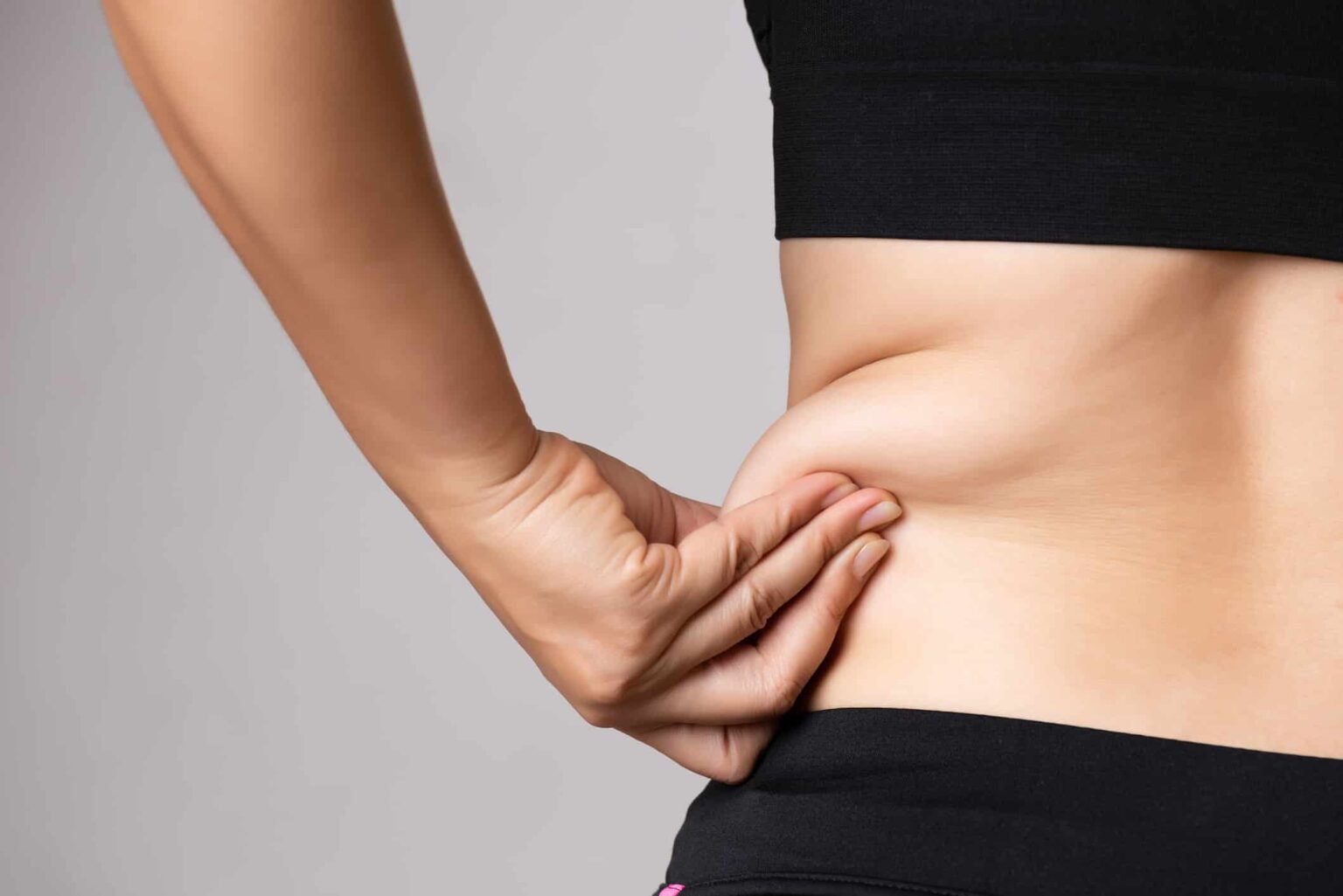

For many people, body contouring is less about chasing a dramatic transformation and more about restoring proportion. A patient may feel healthy, active, and close to a stable weight, yet still carry fullness in the abdomen, flanks, thighs, upper arms, or under the chin that does not respond to disciplined diet and exercise. That disconnect can be frustrating. It is often the reason people begin asking serious questions about Liposuction Michigan options and whether the procedure can help them look more like themselves.
Liposuction has been around long enough that most adults have heard of it, but public understanding is often shallow. Some imagine it as a shortcut to weight loss. Others assume the result is immediate and effortless. Neither picture is accurate. In a well-selected patient, liposuction is a contouring procedure. It removes localized fat deposits to improve shape, balance, and definition. The best results tend to come when the patient is already doing many things right and simply wants help in areas where biology has been stubborn.
That distinction matters because it shapes everything else, from candidacy to recovery to long-term satisfaction. A smoother waistline, cleaner thigh contour, or more refined jawline can absolutely make clothing fit better and self-consciousness ease up. Still, the strongest outcomes usually happen when the patient understands both the power and the limits of the procedure.
What liposuction can, and cannot, do well
Liposuction is designed to reduce pockets of subcutaneous fat. That means fat sitting just beneath the skin, not the deeper visceral fat around internal organs. A person can be slender overall and still have localized fullness that disrupts proportion. Another person may have more generalized weight concerns and hope liposuction can solve all of them at once. Those are very different situations.
In practice, liposuction tends to perform best when skin has enough elasticity to contract after fat is removed. Age alone does not decide this. I have seen patients in their fifties with better skin recoil than some patients in their thirties. Genetics, weight fluctuations, pregnancy, sun damage, and overall tissue quality all play a role. When skin is loose to begin with, removing fat may improve one problem while revealing another. That is where judgment becomes more important than enthusiasm.
A common example is the lower abdomen. Some patients truly have a compact pocket of fat and decent skin tone, making them excellent candidates for liposuction alone. Others have significant laxity, muscle separation, or stretch marks that signal the need for a different operation, such as an abdominoplasty, if they want a smoother result. The same principle applies to the neck, arms, thighs, and bra line. The right operation is the one that matches the anatomy in front of you, not the one that sounds least invasive on paper.
Liposuction also does not treat cellulite in any reliable way. It may soften the look of some contour irregularities if excess fat is part of the issue, but cellulite has structural causes that liposuction alone does not fix. Patients who understand this before surgery are usually happier afterward because they judge the result by the right standard.
Why patients in Michigan often seek treatment
The motivations are rarely as simple as vanity. More often, patients mention a particular friction point in daily life. Liposuction Michigan Pants fit in the waist but pull across the thighs. A fitted dress works from the front but not from the side. A man who stays active still sees fullness around the flanks that makes every shirt feel boxy. Someone who has lost a meaningful amount of weight may be pleased with the scale and disappointed with how uneven fat distribution remains.
Michigan patients often describe another practical factor: clothing for four distinct Liposuction Michigan seasons leaves little room to ignore fit. Bulky winter layers can hide contour concerns, but once spring and summer arrive, discomfort tends to resurface. Many people schedule consultations in colder months so they can recover privately and feel ready for warm-weather wardrobes. That timing is not medically necessary, but it is common and understandable.
The lifestyle rhythm in Michigan can also shape recovery planning. Parents with school-age children often prefer surgery when household logistics are predictable. Professionals who commute may want a recovery window that allows them to avoid long drives for a few days. Patients from northern communities sometimes coordinate fewer, more efficient follow-up trips if their surgeon’s office is in a larger metro area. These are not glamorous details, but they are exactly the kind of details that make the experience smoother in real life.
The consultation should feel specific, not sales-driven
A thoughtful consultation is less about hearing a pitch and more about assessing fit. The surgeon should examine the area, ask about weight stability, discuss prior surgeries, review health history, and talk frankly about your goals. If someone says, “I want my stomach gone,” that needs translation into anatomy and possibility. Is the main issue lower abdominal fat, muscle laxity, loose skin, upper abdominal fullness, or a combination? The answer changes the plan.
Good consultations usually involve marking out where volume sits, where asymmetry exists, and how skin may behave afterward. Many people have one flank fuller than the other or one outer thigh with a different curve. Once a surgeon points these things out, the patient often realizes why buying jeans has always felt strangely inconsistent. Symmetry can be improved, but the body is not machine-made, and perfect mirror-image results are not realistic.
Patients should also expect a conversation about medical safety. Liposuction is common, but it is still surgery. The amount of fat removed, whether multiple areas are treated, the type of anesthesia used, and whether another procedure is done at the same time all affect planning and recovery. It is wise to ask not only what can be done, but what should be done safely in one setting.
Areas that tend to respond well
Some body regions are especially rewarding because even modest fat reduction can make the whole silhouette look more balanced. The flanks are a classic example. A relatively small amount of contouring there can create a cleaner waist transition, which changes how shirts, dresses, and jackets hang. The submental area, meaning under the chin, is another. In the right patient, neck liposuction can sharpen the angle between the chin and neck in a way that reads as fitter and more rested, even when the patient’s weight has not changed much.
The outer thighs can soften a heavy saddlebag contour that affects how pants fit. The inner thighs can reduce rubbing and create more space between the legs, though this area requires restraint because over-aggressive removal can produce irregularity. The upper arms can also be improved, but arm skin quality must be assessed carefully. If the skin is lax, liposuction alone may not deliver the sleek result a patient imagines.
Men often present with different goals than women, though there is overlap. Many want a flatter lower abdomen and reduced love handles while preserving a natural, masculine appearance. Some seek treatment of the chest when persistent fullness remains despite exercise, although true gynecomastia may involve glandular tissue that liposuction alone cannot remove. A surgeon should distinguish fat from gland when planning treatment.
Technique matters, but judgment matters more
Patients often hear terms like tumescent liposuction, power-assisted liposuction, ultrasound-assisted liposuction, or laser-assisted systems. These technologies can be useful, and each has strengths in certain settings. Still, results depend less on branding and more on how carefully the surgeon evaluates tissue, removes fat evenly, and respects what the skin can realistically do afterward.
A smooth result comes from restraint as much as action. Taking too little fat leaves the patient disappointed. Taking too much can create grooves, waviness, or an operated look that becomes more obvious over time. The goal is not merely to empty a space. It is to create a contour that looks natural when standing, sitting, twisting, and aging.
One detail patients do not always anticipate is swelling. Immediately after surgery, the body does not reveal its final shape. It reacts. Fluid shifts, inflammation, bruising, and temporary firmness are all part of the process. An experienced surgeon prepares patients for this so they do not mistake normal healing for a poor result in the first few weeks.
Who tends to be happiest after Liposuction Michigan procedures
The happiest patients usually share a few traits. They are close to a sustainable weight, they want refinement rather than reinvention, and they are willing to recover patiently. They also understand that liposuction changes contour more than the number on a scale.
A patient who is ten to twenty pounds above their ideal may still be a candidate if the weight is stable and the concern is localized. A patient who is actively gaining and losing weight, or who expects surgery to supply motivation they have not yet found elsewhere, may struggle more with long-term satisfaction. Surgery can enhance healthy habits, but it is a poor substitute for them.
Emotional readiness matters too. If someone is pursuing liposuction right after a major life disruption, or with the hope that a new body shape will solve unrelated distress, it is worth slowing down. A good result can improve confidence, but it cannot carry the full burden of emotional repair.
What recovery actually feels like
Most patients are relieved to learn that liposuction recovery is usually more manageable than they feared, though it is not trivial. The sensation is often described as soreness, stiffness, swelling, and a bruised, worked-over feeling rather than sharp pain. Small access points are used to perform the procedure, but the treated area itself can feel tender and tight for days to weeks.
Compression garments are commonly recommended because they help support tissues and control swelling. They are not glamorous, but they earn their keep. Patients who wear them as directed often feel more comfortable moving around. Early walking is encouraged. Not for exercise performance, but because gentle movement supports circulation and helps the body settle back into a normal rhythm.
The timeline varies with the size and number of areas treated. Someone having a small under-chin procedure may be back to routine quickly. Someone treating the abdomen, flanks, and thighs at once should expect a more demanding recovery. Bruising often improves significantly within two to three weeks, but swelling can linger far longer, especially in the lower abdomen, inner thighs, and around the knees. Many patients see a meaningful change early, then enter a frustrating middle phase where progress feels slow. That is normal.
A few practical points tend to make recovery easier:
- Set up your home before surgery so essentials are within easy reach.
- Choose loose clothing that goes on and off without a struggle.
- Keep your schedule lighter than you think you need, especially for the first week.
- Stay hydrated and walk regularly, even if only around the house.
- Judge your outcome in months, not days.
Those basics sound simple, yet they are often the difference between a smooth first week and a miserable one.
The trade-offs patients should hear before deciding
Any worthwhile discussion of liposuction should include trade-offs. The procedure can create beautiful contour changes, but it also asks for realism. There will be swelling. There may be temporary numbness or firmness. Small scars, though usually discreet, are still scars. Perfect smoothness is not guaranteed because human skin and fat are not perfectly uniform to begin with.
There is also the issue of maintenance. The fat cells removed do not return in the same way, but the remaining fat cells can still enlarge if weight increases later. That means results are durable, yet not immune to life. Pregnancy, menopause, medication changes, injuries that reduce activity, and ordinary aging all affect body shape over time. Patients who understand this tend to see liposuction as a reset or refinement, not a freeze-frame.
Revision is another subject worth mentioning honestly. Even with strong technique, some patients need small touch-ups for residual fullness or contour asymmetry. That does not always mean something was done poorly. Bodies heal differently, swelling hides details early on, and some regions are simply less predictable than others. The key is choosing a surgeon who talks about these possibilities without defensiveness.
Combining liposuction with other procedures
In some cases, liposuction works best on its own. In others, it is one part of a larger contouring plan. After pregnancy, for example, a patient may benefit from both fat removal and skin tightening or muscle repair. After major weight loss, liposuction can refine certain zones, but skin redundancy may still require excisional surgery to achieve the desired line.
Smaller combinations can also make sense. Chin liposuction may be paired with a skin-tightening approach if tissue quality is borderline. Flank liposuction may complement abdominal surgery by smoothing the transition around the waist. The right combination depends on what creates the visual imbalance in the first place.
What should be avoided is the temptation to pile on procedures simply because a patient is already in the operating room. More is not automatically better. Combined surgery can offer efficiency, but it also lengthens operative time and recovery. Balance matters.
Cost, value, and the questions worth asking
Patients naturally want to know cost, and they should. Liposuction pricing varies based on the number of areas, complexity, facility fees, anesthesia, and whether it is performed alone or with other procedures. A quote that seems unusually low can be misleading if it excludes important components. A high quote is not proof of superior skill either. The substance is in the details.
During a consultation, useful questions often include the following:
- Which areas are you recommending, and why?
- Is my skin likely to contract well after fat removal?
- How much downtime should I realistically plan for?
- What result do you think is achievable in my specific case?
- If I need a minor revision, how is that handled?
These questions shift the conversation away from vague promises and toward practical decision-making. Patients deserve specifics.
Choosing the right surgeon in Michigan
Credentials matter, but so does communication. Patients considering Liposuction Michigan practices should look for a surgeon who performs body contouring regularly, explains options clearly, and seems willing to say no when a request is unlikely to produce a good result. That last trait is underrated. A surgeon with judgment protects patients from procedures that sound appealing but do not fit their anatomy.
Photo galleries can be helpful if viewed critically. Look for patients with body types similar to your own. Notice whether the results appear natural from multiple angles. Pay attention to consistency rather than chasing one spectacular before-and-after image. During the consultation, ask what those patients looked like at different healing stages, not just at the polished final reveal.
Office culture matters too. Recovery is not only about the day of surgery. It includes the responsiveness of the staff, clarity of aftercare instructions, availability for questions, and the overall sense that you are being guided rather than processed. Patients often remember those details just as vividly as they remember the technical result.
Living with the result
One of the most satisfying things about successful liposuction is that the change often integrates quietly into daily life. People may not always identify what is different, but the patient notices that pants zip more easily, a dress lies flatter, or the side profile in the mirror feels less distracting. The result should look like a better proportioned version of the same person.
There is also a psychological shift that many patients describe. Once a stubborn area is improved, they stop bargaining with it. They no longer buy clothing around it, camouflage it in photos, or fixate on it after workouts. That kind of relief is subtle but meaningful. It is not dramatic in the way television makeovers suggest, yet it often has more staying power.
At the same time, mature expectations remain important. Bodies continue to age. Skin softens, metabolism changes, and lifestyle seasons come and go. A good liposuction result can age gracefully, especially when it was created conservatively and maintained with stable habits. The aim is not to lock the body in time. It is to improve harmony now in a way that still looks believable years later.
For the right patient, that is where the real value of Liposuction Michigan care lies. Not in the fantasy of perfection, but in the very practical pleasure of a smoother, more balanced figure that finally matches the effort already being made.
Aesthetic Plastic Surgery & Laser Center, Michelle Hardaway M.D.
27920 Orchard Lake Rd, Farmington Hills, MI 48334, United States
+1 248-221-1957
FAQ About Liposuction Michigan
Is 55 too old for liposuction?
Age 55 alone does not determine suitability. A surgeon evaluates overall health, skin quality, healing risks, and realistic goals. A personal consultation is needed to assess candidacy and discuss alternatives.
What happens 10 years after liposuction?
Contour improvements can last, especially with stable weight. Aging, pregnancy, and weight changes can alter the appearance over time. Results vary, and liposuction does not prevent future body changes.
Can lipo get rid of an apron belly?
Liposuction reduces localized fat but does not remove hanging excess skin. An apron belly may require assessment for a skin-removal procedure instead of, or alongside, fat removal. A qualified plastic surgeon can explain appropriate options and their risks.